

How to Build Targeted Property Outreach Plans
A completed roofing job should not be the end of a neighborhood opportunity. It should give your team a clear place to start.
Read article
A completed roofing job should not be the end of a neighborhood opportunity. It should give your team a clear place to start.
Read article
A completed roof should not be the end of a sale. It should give your team a clear place to start the next campaign.
Read article
A roofing job closes on Tuesday. By Wednesday morning, your team should know which surrounding streets to work, who owns the properties, which rep owns the campaign, and what happens next.
Read article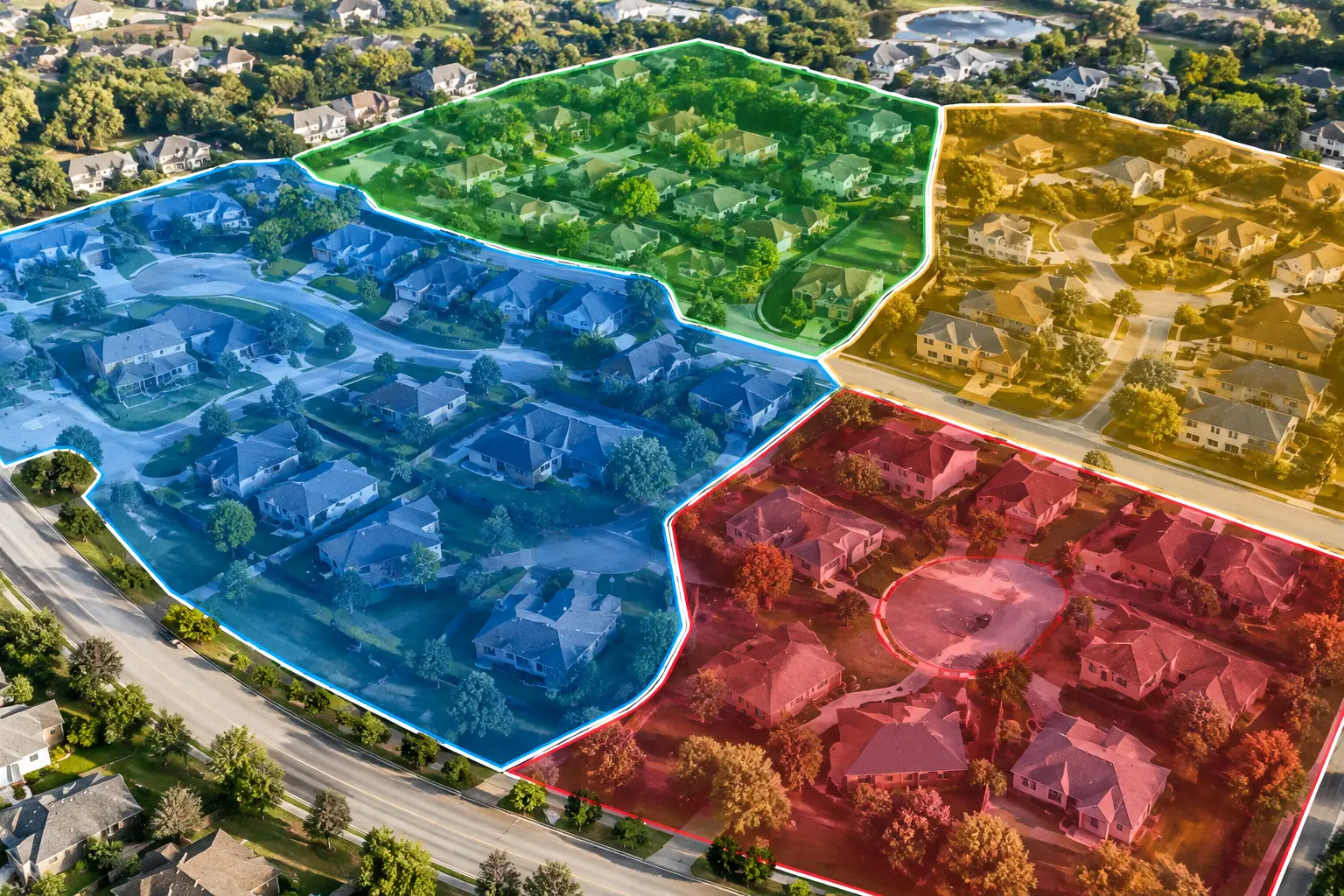
A territory only helps when a rep can look at it and know exactly where to start.
Read article
A completed roofing job should not be the end of a neighborhood opportunity. It should be the starting point for the next campaign.
Read article
Solar teams lose time when a rep is handed a broad ZIP code, a purchased spreadsheet, and no clear answer to which streets to work first.
Read article
A completed roof is more than a finished job. It is a reason to work the surrounding streets while your company has visible proof of work in the neighborhood.
Read article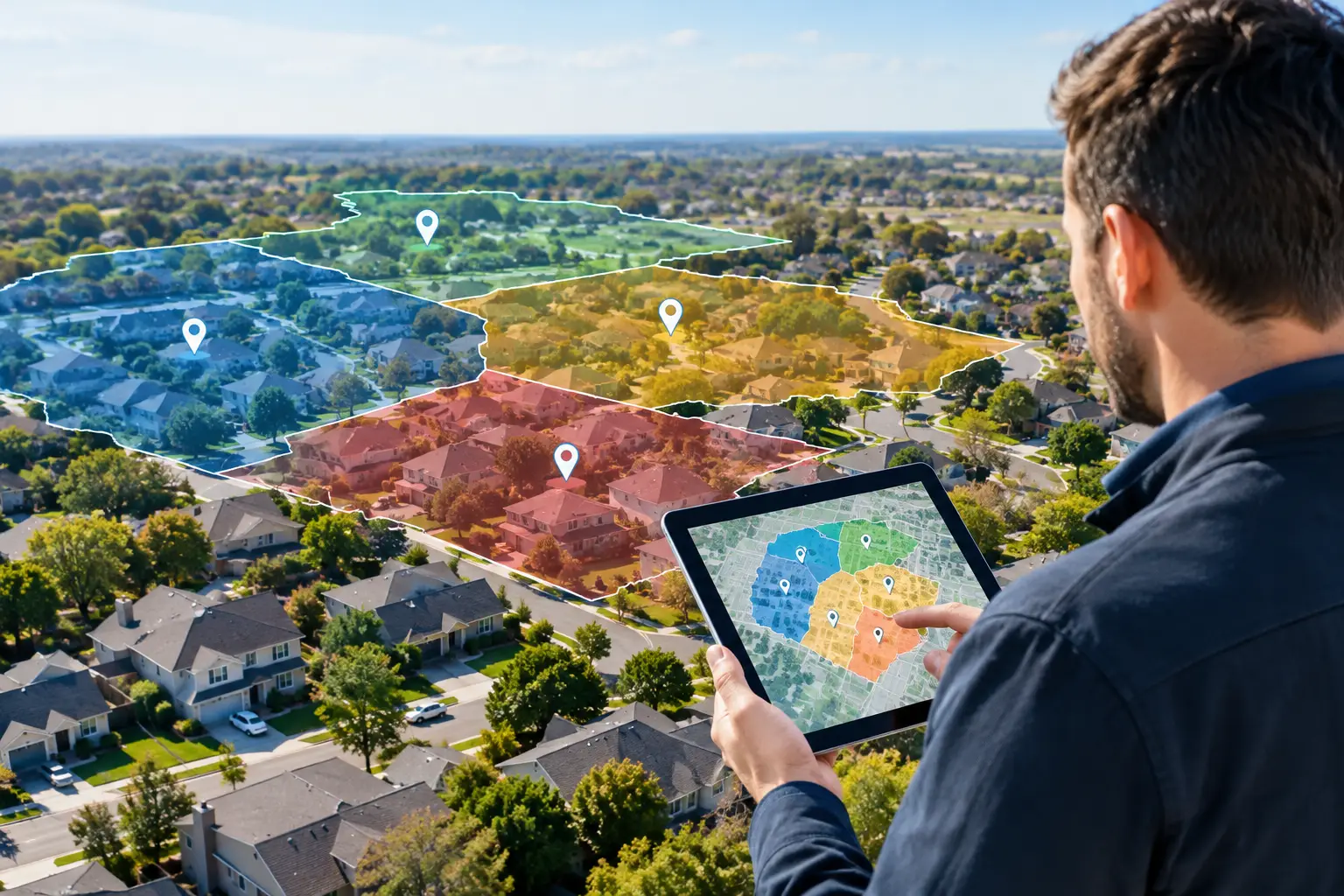
A roofing job closes on Tuesday. By Wednesday morning, your sales team should know which nearby properties they are working, who owns them, and who is responsible for the follow-up.
Read article
A productive solar canvassing day starts before the first knock.
Read article
A roofing job wraps up on Tuesday. By Wednesday, your team should know which surrounding homes to work, who owns them where available, and which rep owns the next conversation.
Read article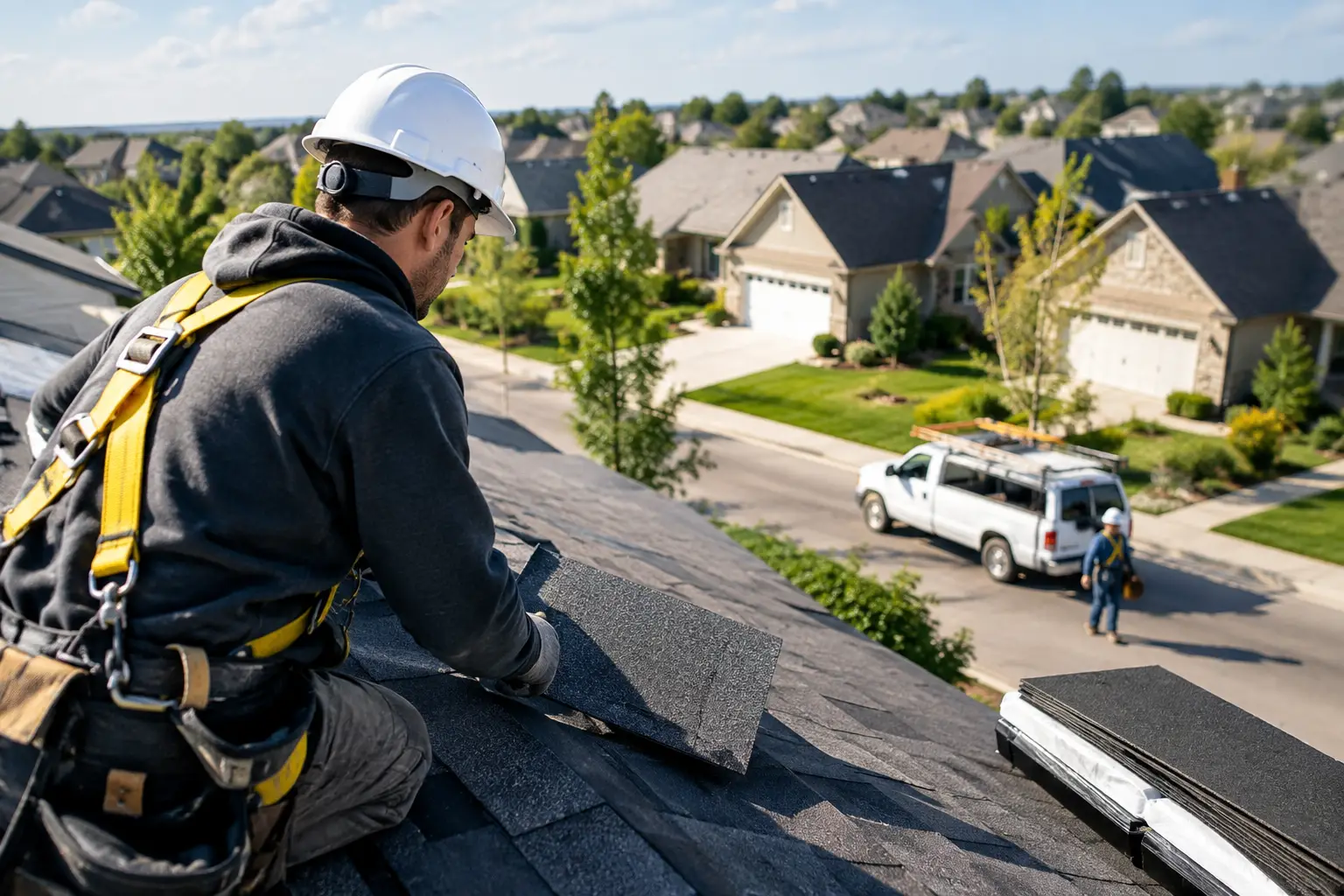
A completed roof is more than a finished job. It is a clear reason to start a conversation with the surrounding neighborhood.
Read article
A strong property prospecting strategy guide starts before anyone knocks a door, sends a mailer, or makes a call. Start with the neighborhood.
Read article
A new roof goes on in a neighborhood, and the opportunity is obvious: work the surrounding streets while the job is fresh.
Read article
A completed roof is more than a job-site sign. Prospect the nearby homes with a defined territory, a clean list, and clear ownership.
Read article
A practical service territory design guide for turning a map into a campaign your local sales team can actually work.
Read article
How roofing companies build neighborhood prospect lists that crews can actually use—starting with a clear geographic reason to prospect.
Read article
CRM versus mapping tools: one manages follow-up after a prospect enters the pipeline, while the other helps you decide who should enter it.
Read article
A geographic sales planning guide for turning a location-based opportunity into a clear, usable prospecting campaign.
Read article
Seven solar lead generation tool categories that help local teams define neighborhoods, build lists, and keep follow-up from falling through the cracks.
Read article
A jobsite can give your team a better starting point than a broad ZIP code or a generic purchased list. When you create a jobsite radius list, you turn an active project into a defined group of nearby properties.
Read article
If your team needs to export prospect lists to CSV, the goal is sending a defined group of properties and contacts to the tools that will actually work them—without duplicate records or spreadsheet cleanup.
Read article
A neighborhood direct mail list works best when it starts with a real business reason, not a ZIP code pulled from a generic database. Choose the area, then build a clean file your team can use.
Read article
Before a rep knocks doors, sends mail, or calls an owner about an off-market acquisition, verify who owns the property and whether the record is current.
Read article
Effective territory management turns a neighborhood, service area, storm zone, or acquisition market into a clear prospecting plan with defined boundaries and a list ready for outreach.
Read article
A new ZIP code is not a service area plan. Neither is a vague instruction to “work the north side” or a purchased list of homeowners scattered across three counties.
Read article
A solar team can lose a full week before the first door is knocked. The usual cause is not effort.
Read article
A storm can put thousands of roofs on your radar overnight.
Read article
A ZIP code is rarely a real sales territory. It can include streets your team cannot reach, apartment blocks you do not serve, or neighborhoods already assigned to another rep.
Read article
A map does not become a campaign just because it has pins on it.
Read article
A generic list might contain thousands of names, but it rarely answers the question your team needs answered: who is inside the streets, neighborhood, or service area we plan to work this week?
Read article
A good territory map is not a color-coded planning exercise.
Read article
A rep starts at a street where your company just completed a roof, a solar install, or an HVAC replacement.
Read article
A roofing crew finishes a visible project on a street with 200 nearby homes. A solar team sees a neighborhood where recent installs have created social proof.
Read article
A roofing manager sees three recent jobs within six blocks. A solar team gets access to a new neighborhood. An investor identifies a pocket of homes that fits a buy box.
Read article
Territory prospecting software turns a geographic decision into a list the team can actually work—choose the area, build the list, then send it where your team already works.
Read article